
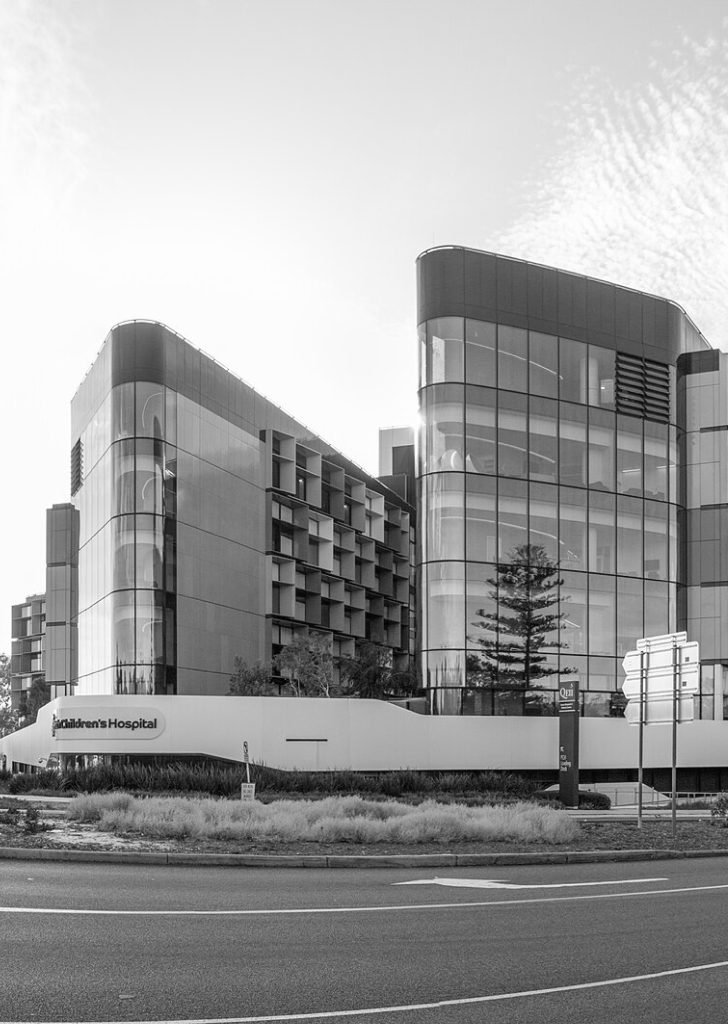
We’ve all heard of that one ward in a hospital that’s a ghost town. No, it’s not haunted. It just never converted into anything. The refurbishment finished, the invoices were paid, and the space still doesn’t work. The beds don’t fit through the doors. The layout fights the workflow. Nobody who uses the ward was asked what they needed.
What are you up against at a hospital.

Start with the people you’re relying on for input. Hospital staff are understaffed and flat out, they barely have time to stop for a lunch break, let alone sit in a project workshop. And when a contractor does turn up asking questions, they’re often not seen as someone there to help. They’re seen as an arm of upper management, carrying out decisions that were made three floors up without them.
That gap is where refurbishments fail and where budgets get wasted. Most hospital refurbishments exist to bring an ageing facility up to the standard of modern medical practice; when the objectives are unclear, the money gets spent and the standard never arrives. The clinical staff know the bed won’t turn that corner, that the medication room is on the wrong side of the ward, that the new nurses’ station has no sightline to the beds that need it most. But if the project only ever talks to management, that knowledge never makes it into the drawings, it makes it into the complaints afterwards.
When it’s done right: Mount Hospital
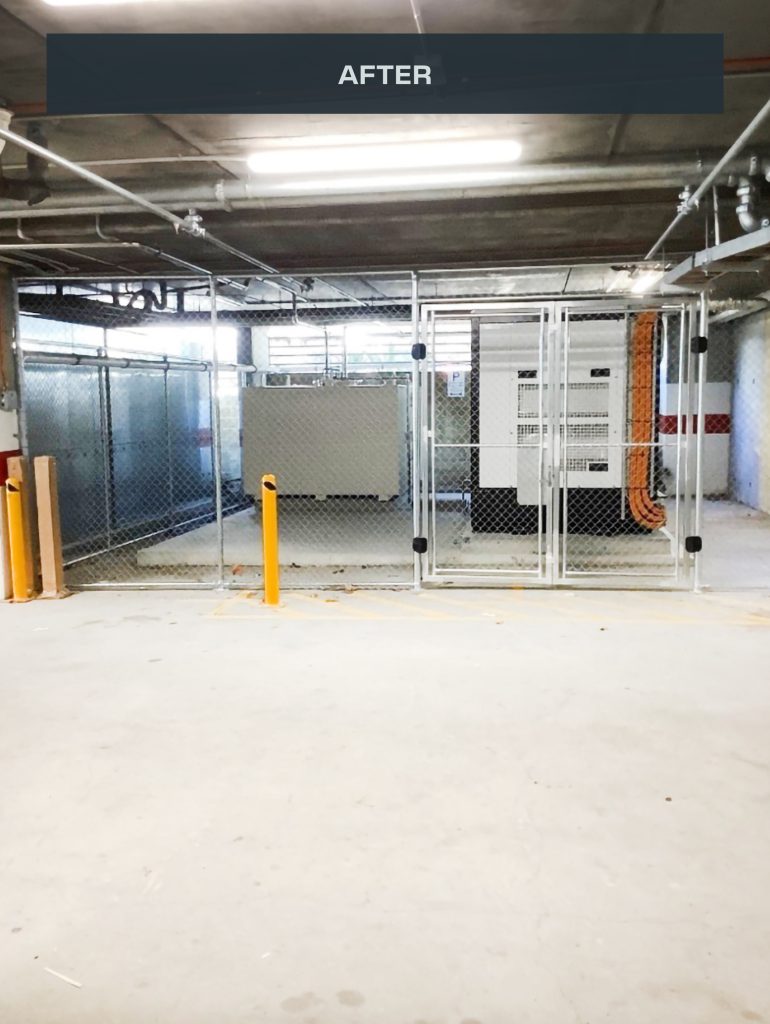
At Mount Hospital in Perth, we refurbished a switch room and generator compound inside an operational car park.
The work was staged so the hospital could operate around it at every point. High-noise work was scheduled for weekends to minimise impact on staff, patients, and visitors. Safety barricades and signage stayed up throughout, with daily communication between our site team and hospital staff so nobody was surprised by anything. Disruption Notices were lodged in line with the hospital’s own procedures, and at no point during the project did the hospital lose power.
How we do it: ECI and the Protek WA process
The ghost ward happens when the builder shows up after all the decisions are made. Early Contractor Involvement (ECI) is how we make sure that never happens on your project. We come in at the start – Assess, Plan, Approve, deliver – so buildability, staging, access and the realities of your clinical workflows are tested against the design before anything is locked in.
Delivery then runs on the same five-step process we bring to every live site: Secure the work zone, deliver materials and plant in off-peak windows, complete the Work in phases so operations continue, clean back to a safe standard daily, and handover each area with full compliance documentation, ready for your teams to actually use.
Planning works at a live healthcare facility? Request a site assessment from Protek WA.